
Swap an office job for life in a cabin
Andermatt, October 16, 2026
Three weeks away from my usual daily routine, and into life at the mountain hut: I spent two summers at the Sewen Hut in the Meien valley whilst I was still a student. Now I’m back – surrounded by mountain panoramas, long working days and lots of little encounters. A personal insight into everyday life at a mountain hut.
Back at the Sewen hut
Seven o’clock. My alarm goes off. I roll over briefly in bed and peer out of the small window. Before me, the Fleckistock – Uri’s highest peak – glows in the morning light. My gaze wanders to the left towards the Susten Pass, which is shrouded in just a few wispy clouds. What a wonderful start to the day!
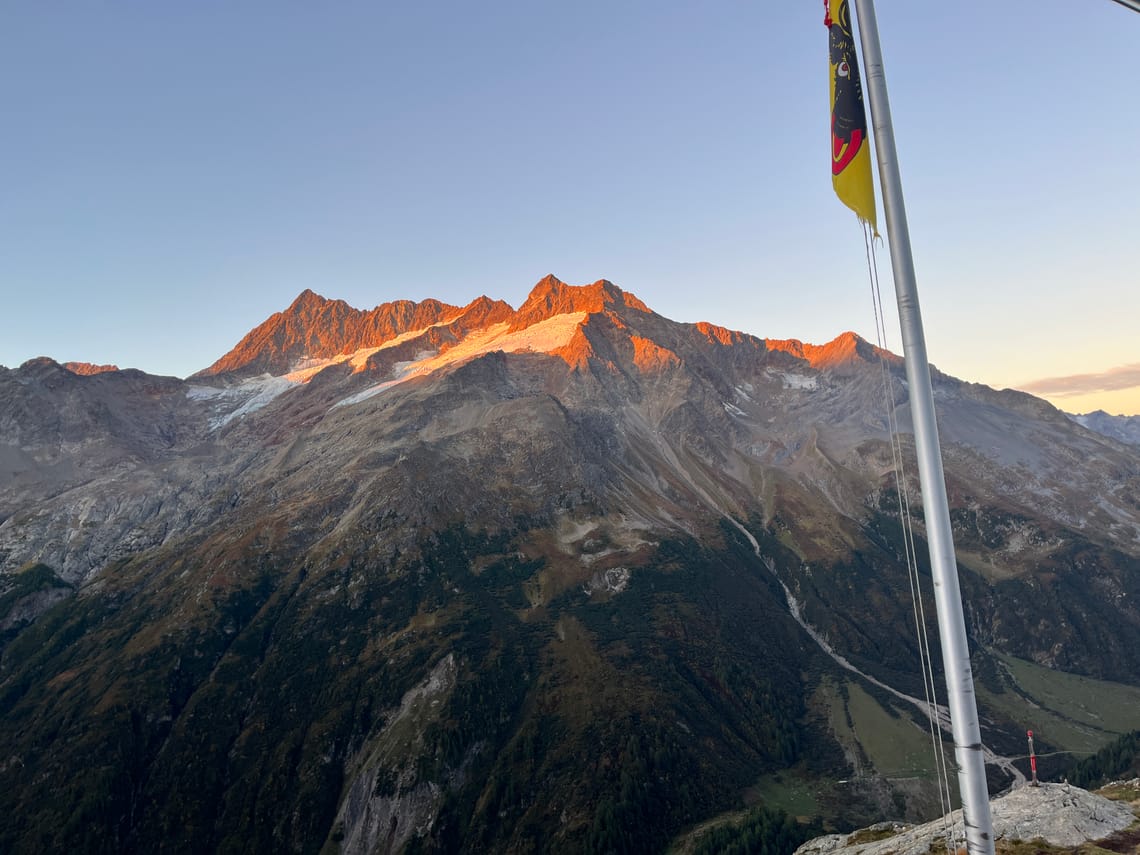
As the day dawns: the morning glow over the Fleckistock in the Meien valley.
Normally, I’d be waking my two children up by now, having breakfast with them and my husband, sending the children off to school and nursery, and then getting on with my paid work as a project manager at Andermatt-Urserntal Tourism. However, I’ve quite deliberately left this everyday life behind me for three weeks.
Even whilst I was at university, I spent two summers at the Sewen hut in the Meien valley. Back then, I told everyone: “This is by far the most beautiful, but also the toughest job I’ve ever had.” So why am I back here now? After 19 years, the hut wardens Ursi and Walti Gehrig are handing over the Sewen hut. To experience life at the hut once more, to lend a hand and to be part of this little microcosm – that was exactly what I wanted.
A well-established system in the mountains
Life up here is dictated by the weather. This summer was extremely hot and consistently dry, which meant long and strenuous working days. The Sewen hut can accommodate around 60 overnight guests. On top of that, there are numerous day visitors, as the hut is about an hour and a half’s walk away and the approach is easily manageable even for children.
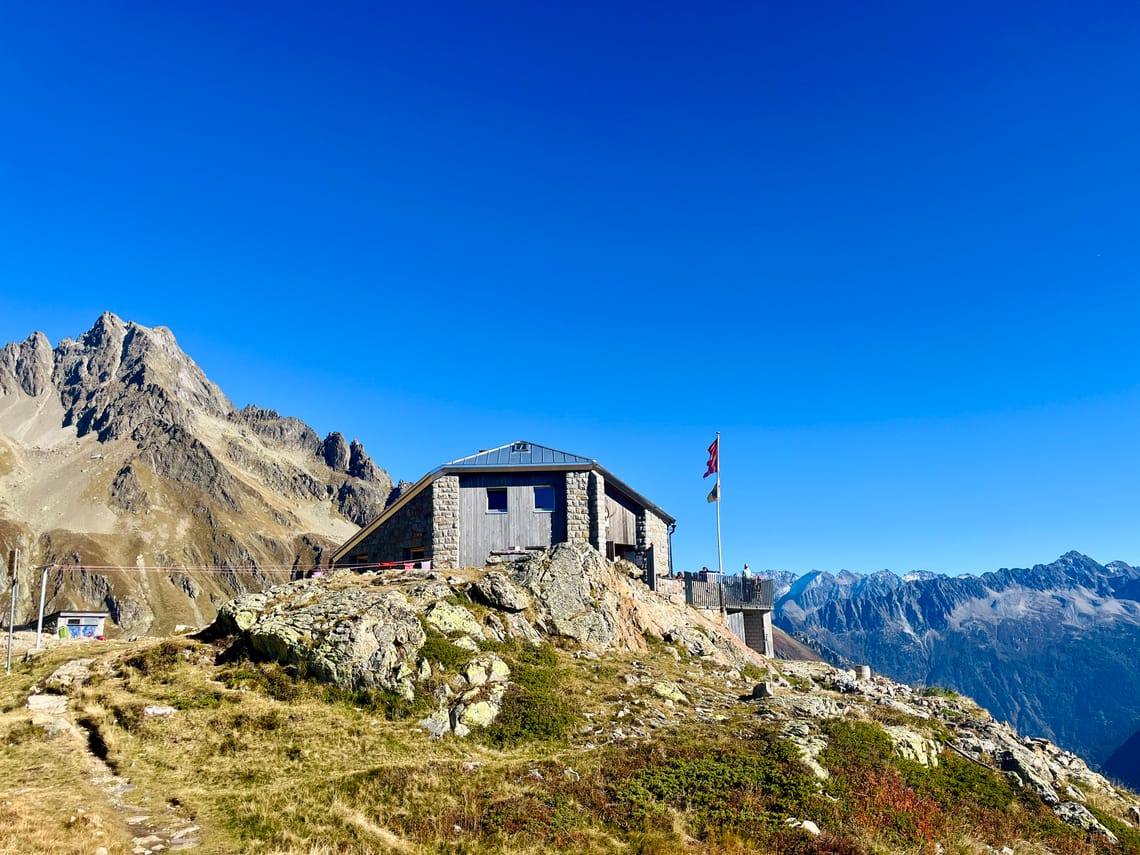
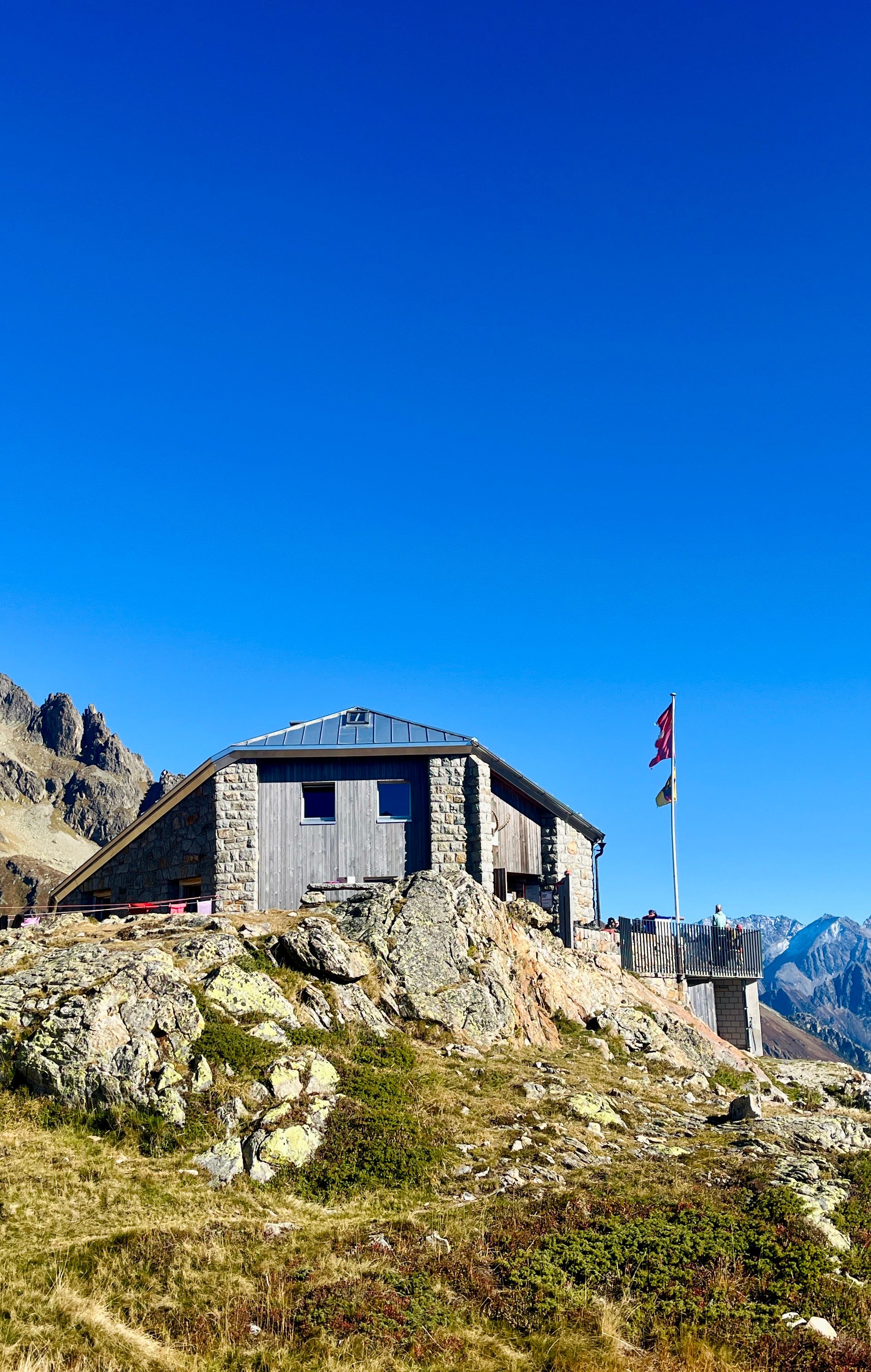
The Sewen Hut belongs to the Pfannenstiel section of the Swiss Alpine Club (SAC) and is situated high above the Meien valley at 2,148 metres above sea level.
When Ursi and Walti took over the Sewen Hut in 2008, around 1,900 people stayed overnight here each summer. This year, the figure is likely to exceed 5,000 overnight stays. With this growth come greater challenges. Yet running a hut like this is in itself a feat of mastery: checking stock levels, coordinating orders, arranging supply flights with the helicopter crew, planning menus and allocating rooms – everything has to run like clockwork.
As a hut assistant, I’m just a small cog in a smooth-running system that Ursi and Walti have built up over 19 years. Everyone knows their tasks and responsibilities. That’s the only way the place runs smoothly when the hut is full.
Washing up, making beds and plenty of mountain air
My day begins in the kitchen. After a quick breakfast, I get on with the washing up. When the hut’s full, it takes quite a while despite the dishwasher: plates, glasses, cups, cutlery, bowls – 60 of each.
Afterwards, I head upstairs, where I make up the beds. Almost every day, something gets left behind: toothbrushes, earphones, water bottles, sunglasses or even packed lunch bags. It’s usually not long before the phone rings. Guests get in touch to collect their forgotten items, or we post them home.
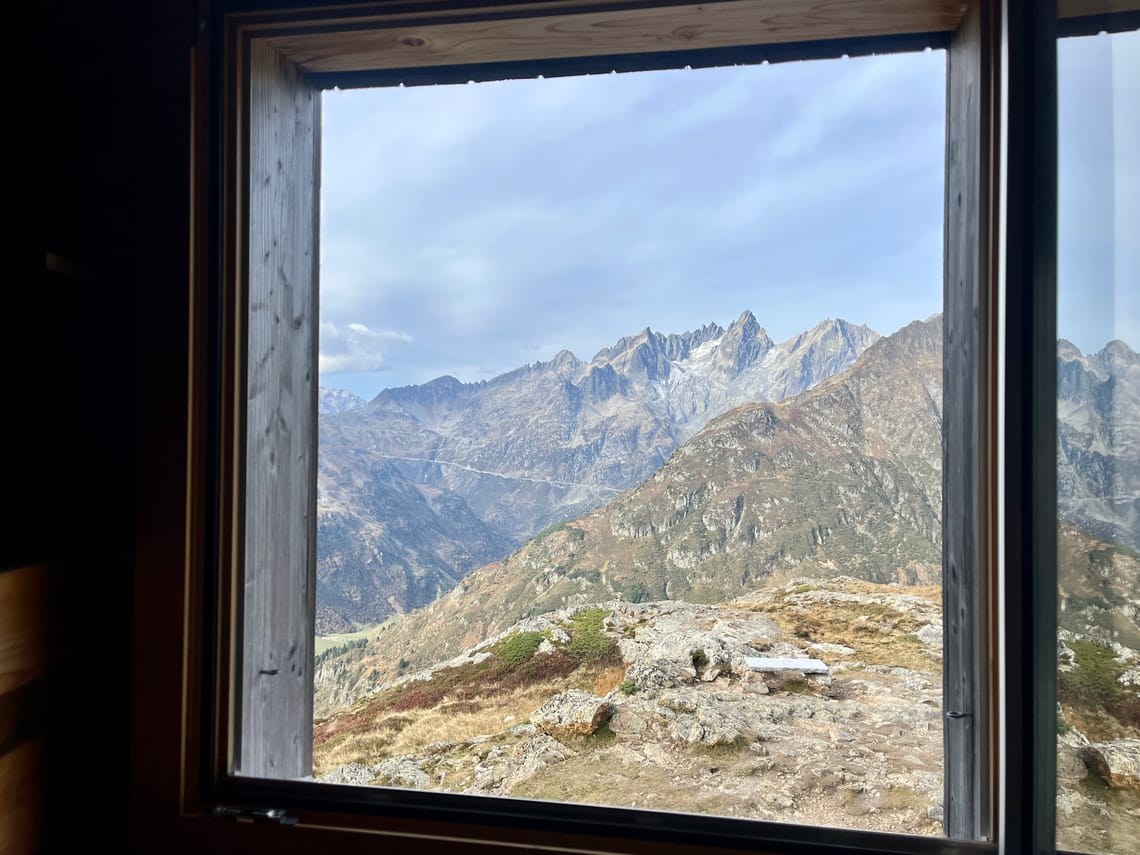
Making beds with a view of the Fünffingerstöcke and the Susten Pass – my workplace could be in a worse spot.
The toilets and washrooms need cleaning too. Then there’s the hut lounge and the entrance area. Once everything’s done, there’s usually time for a quick coffee break.
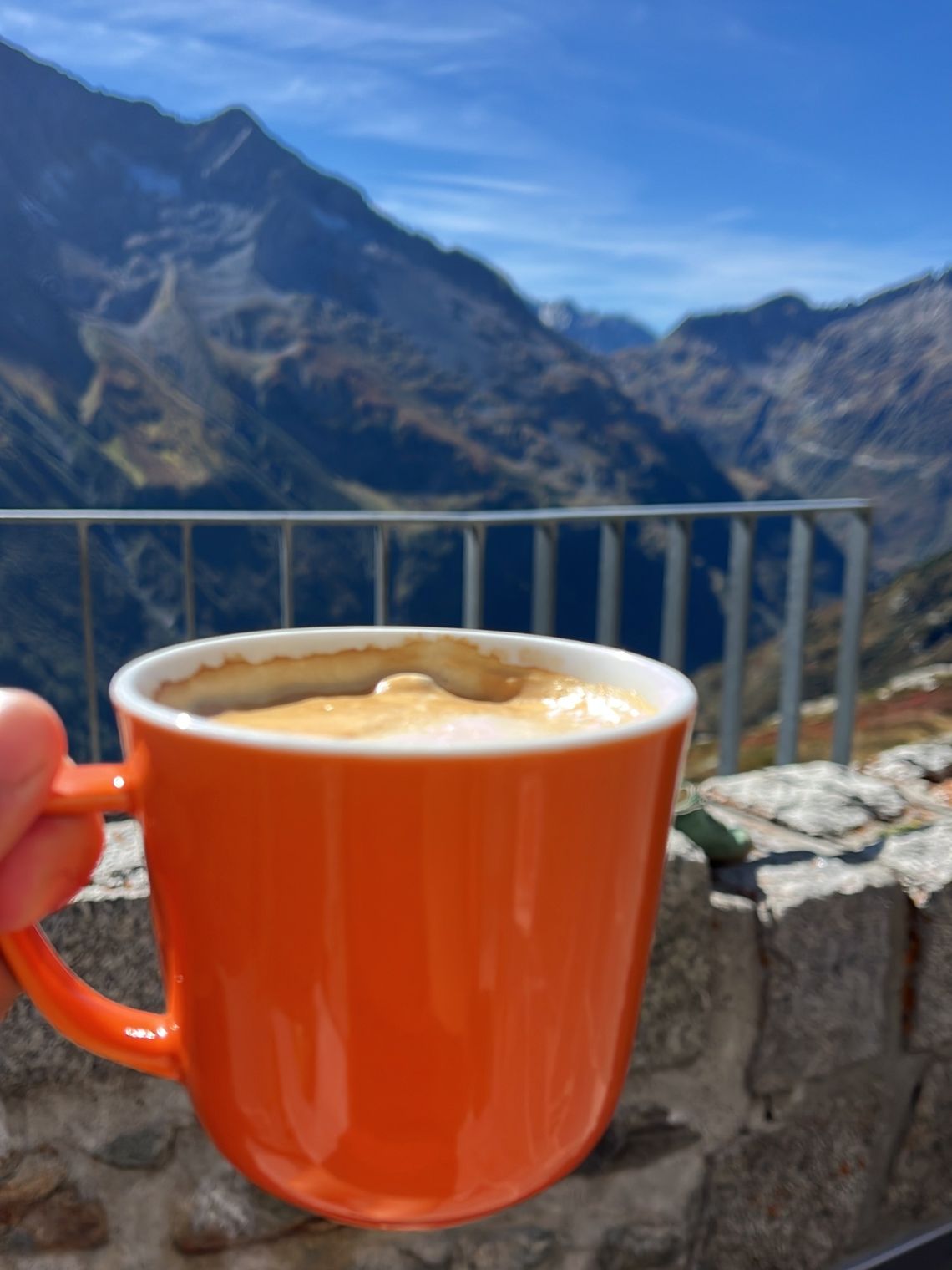
A quick coffee break with a view – little moments like these are what make life in the hut so special.
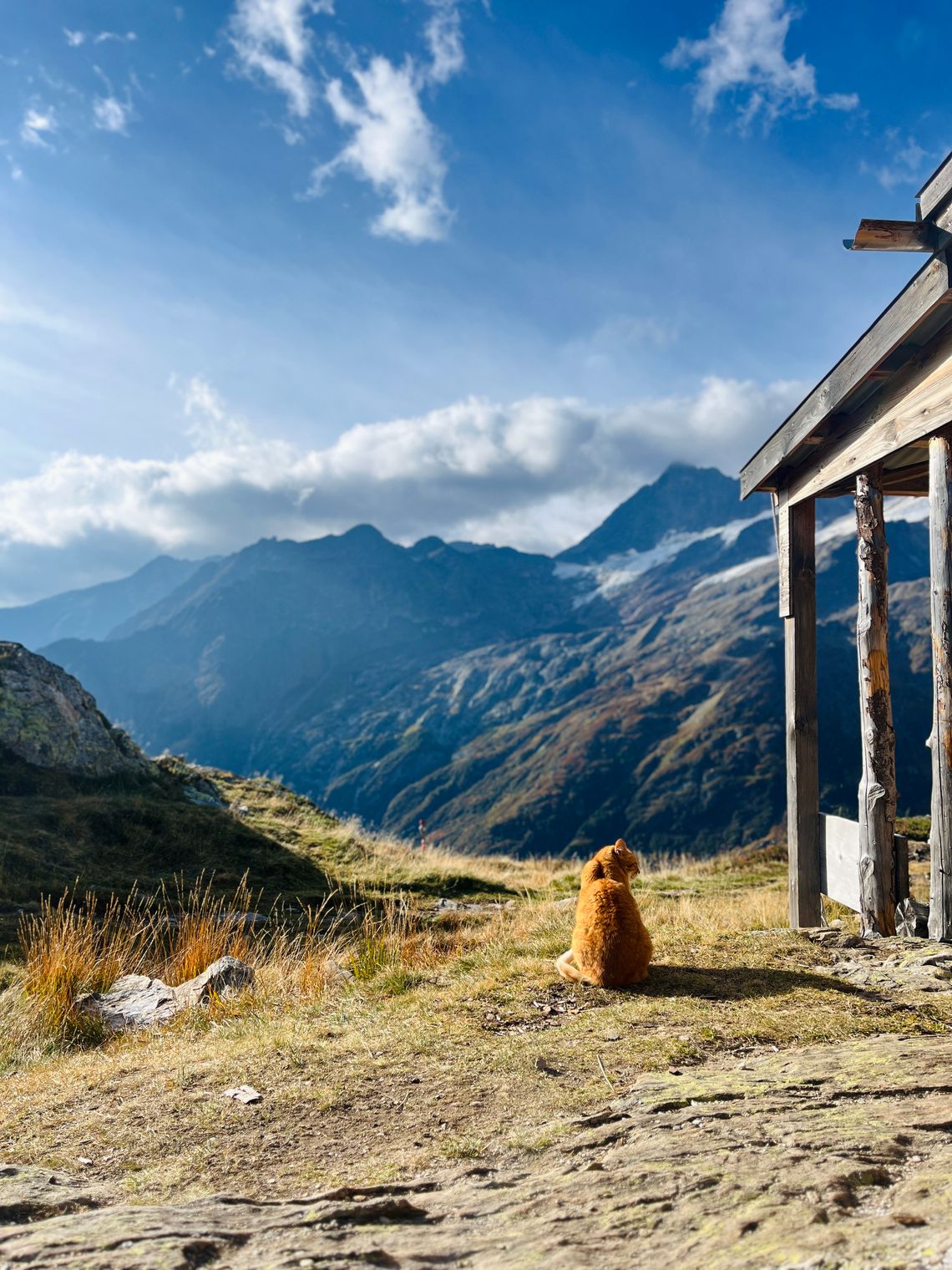
Pepino, the hut’s cat, clearly enjoys his life up here too.
After that, it’s time for the next tasks in the kitchen: baking cakes, chopping vegetables for soup and, if necessary, browning meat for dinner. By then at the latest, the first day visitors will have arrived. They enjoy fresh cake and coffee or a delicious lunch.
Once the biggest lunchtime rush is over, my break begins. I usually use this hour and a half to go for a run. After the hustle and bustle in the kitchen and all the hard work, it’s good to get out for a moment and catch my breath. As I run, my thoughts calm down, my gaze wanders over the mountain scenery and suddenly time seems to pass a little more slowly.
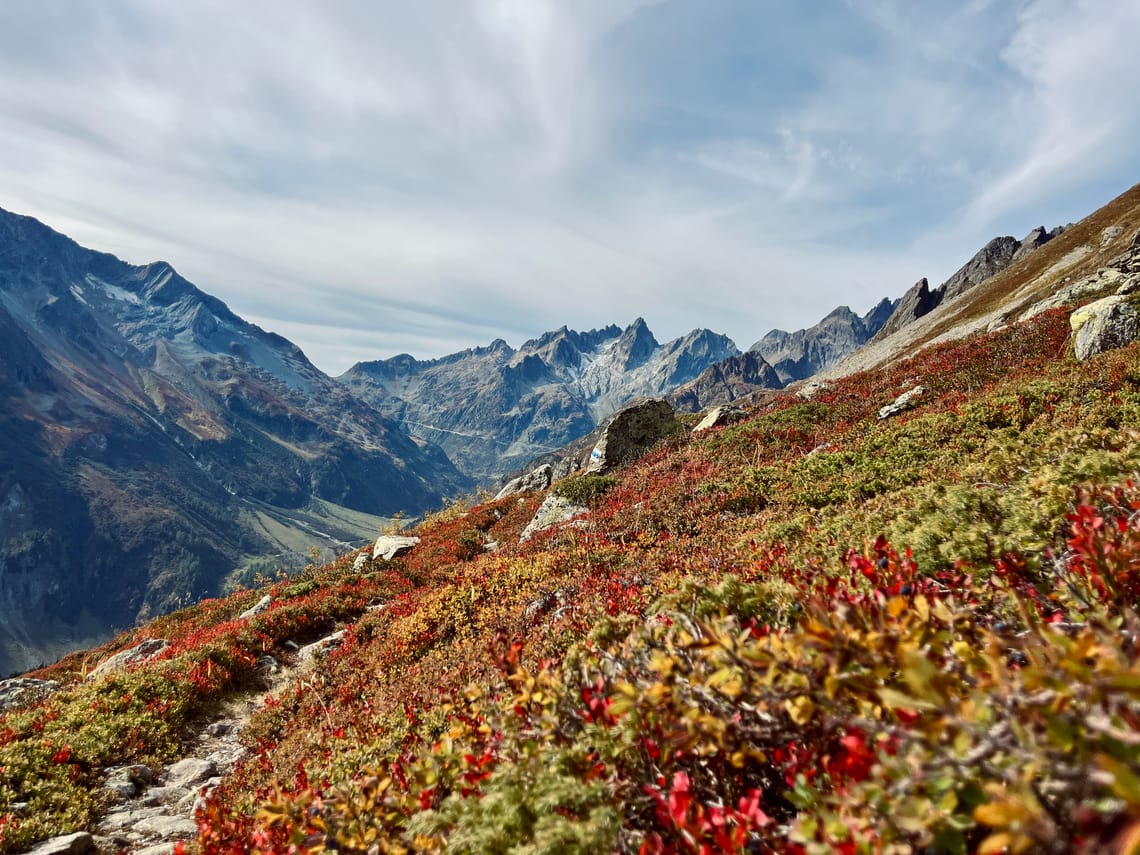
‘Room time’ is mountain time: a short break in nature before getting back to work at the hut.
For me, this little break is one of the loveliest moments of the day. It helps me clear my head and recharge my batteries. The break doesn’t last long, though, because back at the hut, things pick up the pace again: preparing salads, making desserts, showing guests to their rooms, hanging out the washing and setting the tables. There’s never a shortage of things to do.
When the cowbell rings for dinner
At 6 pm, hut warden Ursi rings a cowbell. It’s the signal that dinner is ready and the guests should take their seats in the hut’s dining room. The room fills with life, laughter rings out and the children ask curiously: “What’s for dessert?”
The evening service flies by. After that, it’s time to do the washing-up again. Plates, cutlery, glasses – 60 of each. It isn’t until around 7.30 pm that the hut team gets to have dinner. Whilst people are still chatting, laughing and drawing in the hut’s common room, we tidy the kitchen and prepare breakfast. Often there’s even a bit of time left afterwards for a board game or a glass of wine.
At 10 pm, it’s lights out. Outside, it’s already pitch black. Only in the moonlight can I make out the silhouettes of the surrounding mountains. Another day at the hut draws to a close.
Three weeks to remember
Sometimes it’s noisy, sometimes exhausting, and the days are long. These three weeks have shown me once again just how much hard work goes into running a mountain hut and how important teamwork is. At the same time, it’s the little encounters, the special atmosphere and the closeness to nature that make this place so unique to me.
Soon I’ll be returning to my usual daily routine with my family and my office job. But I’ll take the Sewen hut and the memories of these three weeks with me. And one thing is certain: I wouldn’t miss this experience for the world.
Gabriela lives in Andermatt with her small family and loves spending her free time outdoors in nature. Whether she’s hiking, climbing or exploring with her family – the mountains of Uri are her home. In winter, she swaps her hiking boots for skis and enjoys hitting the slopes, freeriding or going on ski tours.